IPA vs. Pale Ale vs. Double IPA: A Side-by-Side Tasting Guide
Pale ale, IPA, and Double IPA differ in bitterness, malt balance, aroma, and alcohol. This practical guide helps you taste those differences side-by-side.
You’re at a bar with three beers in front of you. One says Pale Ale, one says IPA, one says Double IPA. They’re all amber to gold, all hoppy, all from the same brewery. You take a sip of each and think, “Wait, these taste different.” Good. That’s the point. But what exactly is different? And how do you taste those differences without a judge’s score sheet? This guide breaks it down by bitterness, malt balance, aroma, and alcohol strength, so your next flight makes sense.
The Family Tree: Same Roots, Different Branches
Pale ale, IPA, and Double IPA all belong to the same broad family of hop-forward ales. They use similar malt bases—often pale malt with a touch of crystal or Munich—and American or English hops. What changes is how much malt, how many hops, when those hops are added, and how strong the finished beer is. A pale ale is the balanced sibling. An IPA is the loud one. A Double IPA is the one who shows up late and takes over the party.
Bitterness: More Than an IBU Number
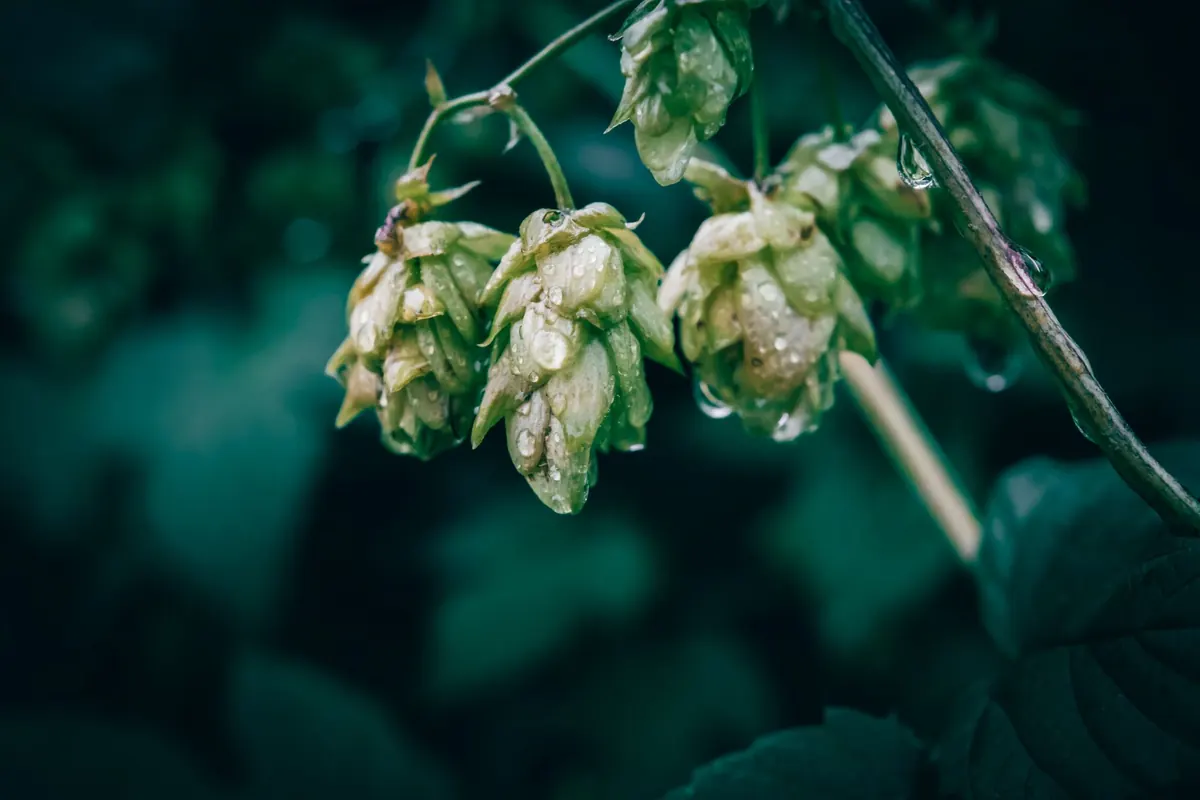
You’ll see IBU (International Bitterness Units) on menus, but it’s a rough guide. Two beers with the same IBU can taste completely different depending on malt sweetness and hop variety. Bitterness comes from alpha acids in hops, especially when boiled. Early additions add bitterness; late additions add flavor and aroma.
Here’s how the three styles usually stack up:
- Pale Ale: Moderate bitterness—enough to notice but not dominate. It fades into malt.
- IPA: Higher bitterness, often sharp and clean, with a lingering bite.
- Double IPA: Intense bitterness, but the high malt and alcohol often round it out.
Tasting tip: Take a small sip and let it sit. Where do you feel the bitterness? On the sides of your tongue? The back of your throat? Does it linger or wash away? A pale ale usually finishes clean and quick. An IPA leaves a pleasant bitterness that makes you want another sip. A Double IPA can coat your mouth and stay for a while.
Malt Balance: The Backbone You Might Miss
Hops get all the attention, but malt is what makes a beer drinkable. Malt provides sweetness, body, color, and toastiness. In a pale ale, malt and hops are roughly equal partners. You’ll taste bread crust, light caramel, maybe a hint of biscuit. In an IPA, malt steps back. The beer is drier, crisper, and more focused on hops. In a Double IPA, malt returns with a vengeance—not to compete, but to support. Without extra malt, a Double IPA would taste like hop-flavored rubbing alcohol. The malt adds a rich, sometimes sweet backbone that balances the bitterness and alcohol.
How to taste malt balance
Swallow and pay attention to the middle of your tongue. Do you taste grain? Honey? Toffee? A pale ale should feel round and satisfying. An IPA should feel lean, almost sharp. A Double IPA should feel full and chewy, with a sweetness that lingers.
Aroma: The First Sip Is a Smell
Most of what you taste is actually smell. So before you drink, swirl the glass and take a deep sniff. Pale ales often smell of floral hops, light citrus, or earthy tea. IPAs jump out with grapefruit, pine, mango, or pineapple—depending on the hop variety. Double IPAs are a punch in the nose: dank, resinous, tropical, sometimes boozy.
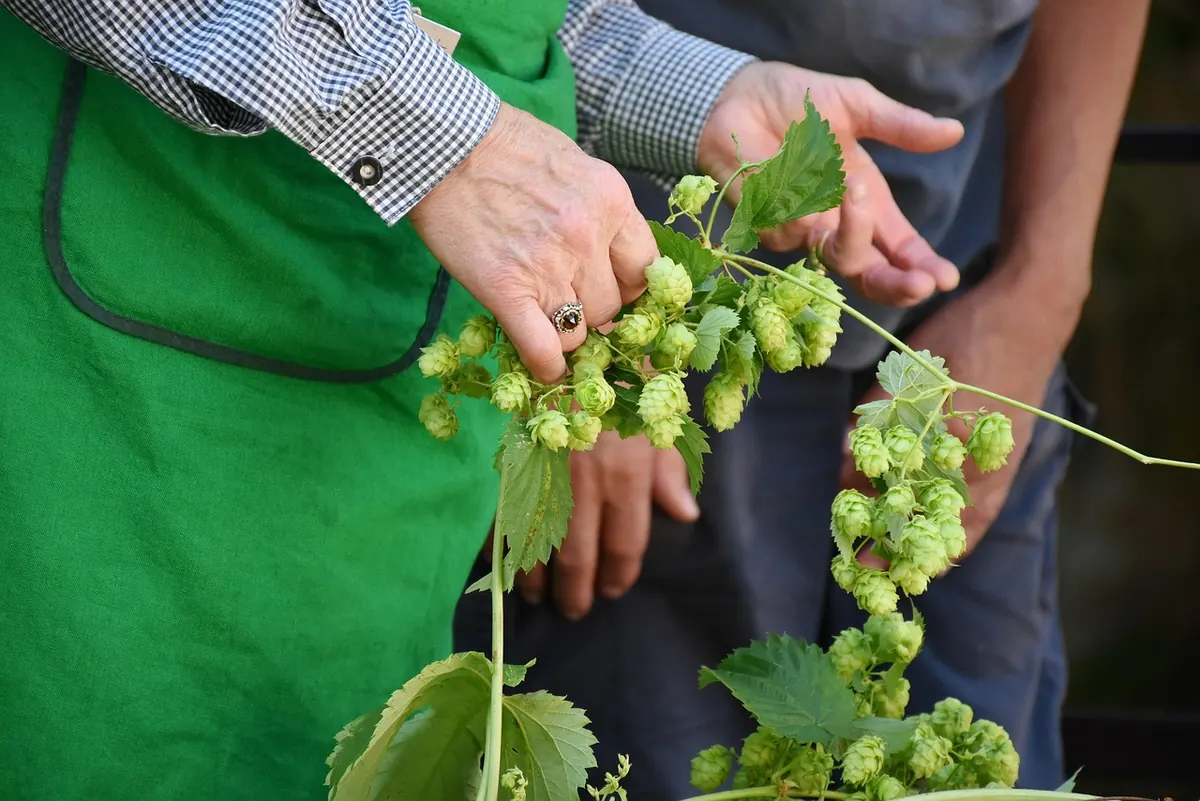
Dry hopping—adding hops after fermentation—is what gives IPAs and Double IPAs their big aroma without adding bitterness. Pale ales may be dry-hopped too, but usually with a lighter hand.
If the aroma makes you want to dive in, the bitterness will taste smoother. If the aroma is muted, the bitterness hits harder.
Alcohol Strength: The Invisible Ingredient
Alcohol is the fourth variable. Pale ales are often sessionable, meaning you can have a couple without falling off your stool. IPAs are stronger, and Double IPAs are stronger still. You can’t taste alcohol directly, but you feel it: warmth in the chest, a slight numbing, a heavier body. Higher alcohol also carries aroma compounds and adds sweetness.
When tasting side-by-side, alcohol can skew your perception. A Double IPA might taste less bitter than an IPA because the alcohol and malt soften the edges. Or it might taste more bitter because the alcohol amplifies the hop burn. There’s no rule. Just notice.
Tasting tip: Taste from lowest ABV to highest. Start with the pale ale, then the IPA, then the Double IPA. If you go the other way, your palate will be wrecked for the lighter beers.
Side-by-Side Tasting: A Practical Flight
Here’s a simple method to compare the three styles at home or at a taproom.
- Choose one beer of each style. Ideally from the same brewery so the water and yeast are similar. If you can’t, pick classic examples you trust.
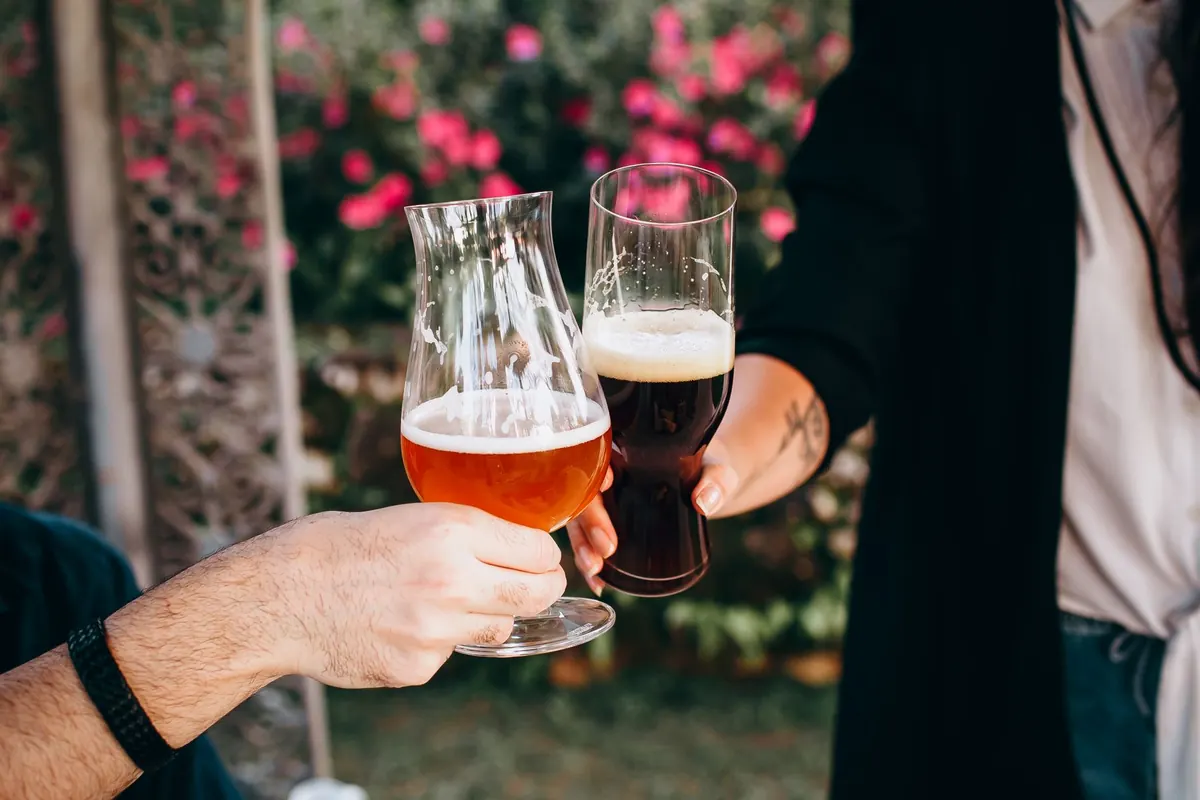
- Pour equal amounts into clean, tulip-shaped or pint glasses. Rinse your glass with water between pours if you’re reusing one.
- Start with the pale ale. Note the aroma, first sip, bitterness, malt, and finish.
- Move to the IPA. Repeat.
- Finish with the Double IPA. Repeat.
- Take a sip of water and a plain cracker between beers to reset your palate.
- Write down one word for each: e.g., pale ale “balanced,” IPA “bright,” Double IPA “dense.” Then compare notes.
You can also do a blind tasting. Have someone pour them into unmarked glasses. You’ll be surprised how often you mix up the IPA and Double IPA—or how clearly the pale ale stands out as the lighter, more malt-forward beer.
The Practical Takeaway
You don’t need a cicerone certification to taste the difference. You just need to pay attention. Pale ale is your balanced, everyday beer. IPA is the hop-forward standard, bitter and aromatic. Double IPA is the intensity test, rich and strong. Next time you order a flight, ask for one of each. Sip slowly. Compare. Trust your tongue. The more you taste side-by-side, the more your palate learns. And that’s the whole point.
Photo: RitaE / Pixabay