Craft Beer Tasting Checklist: 12 Flavors to Identify in Every Pint
A practical twelve-point tasting checklist covering malt, hop, yeast and off-flavors, plus setup tips and note-taking habits that make every pint easier to describe.
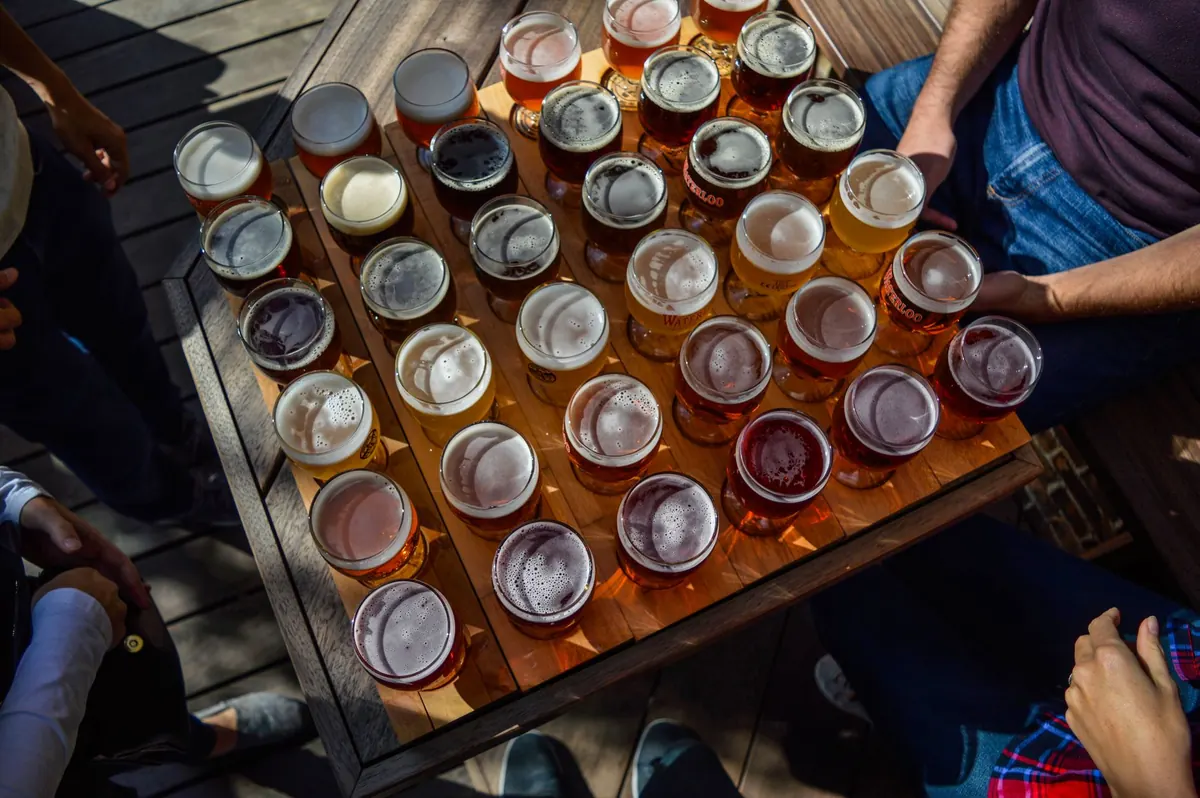
Some pints are easy to enjoy and hard to explain. You catch mango, then toast, then a peppery tick at the finish — and you have no idea what to call any of it. A checklist fixes that. Not because naming flavors earns you points, but because it slows you down enough to notice what the brewer actually built. Twelve reference points, four families, one glass.
Set the Conditions Before You Judge
Most tasting disappointments are really serving mistakes. A beer at 38°F tastes like almost nothing; a glass with detergent residue kills the head and flattens the aroma. Ten minutes of prep changes what you find in the glass.
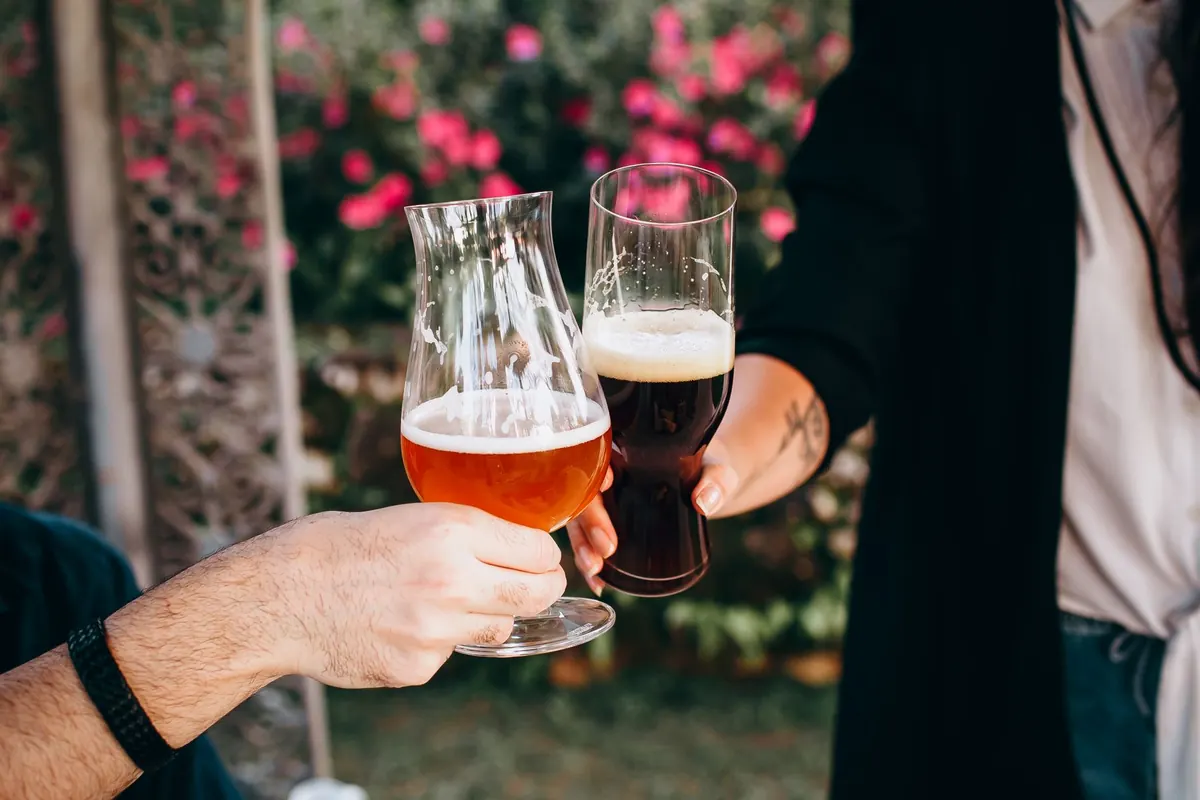
- Glass: A tulip or snifter concentrates aromatics. A standard nonic works fine. Avoid a frosted mug — it suppresses aroma and keeps the beer too cold.
- Temperature: Lagers and pilsners around 40–45°F; most ales 45–55°F; stouts and strong ales warmer still. Cup the glass in your hands and let it climb.
- Clean: Rinse with hot water only. Soap residue destroys foam and mutes hop character.
- Palate: Plain crackers and water between samples. Small pours — two to three ounces is plenty when you're comparing.
If you're lining up several beers, go light to dark and low ABV to high. A double IPA will flatten everything that follows it.
Smell It Twice Before You Taste
Most of what you'll tick off on this list shows up in the nose first. Take a short sniff with the beer still, note your gut impression, then swirl and go again. The second pass is usually where the quieter notes appear — the clove behind the banana, the bread crust under the citrus.
Don't drink yet. Give the aroma thirty seconds and write down two or three words, even if they're clumsy. "Weird fruit" is a perfectly good starting note.
The 12 Flavors to Check in Every Pint
Work through these in order. You won't find all twelve in any single beer, and you shouldn't try to.
- Bread, cracker, grain. The base malt signature. Pilsner malt reads like saltine; Maris Otter leans biscuit; a light lager has this and little else.
- Caramel, toffee, toast. Crystal and caramel malts. Munich and Vienna add a gentler toastiness without sweetness.
- Coffee, cocoa, dark roast. Roasted barley and chocolate malt. Push it too far and you get char, ash and burnt toast.
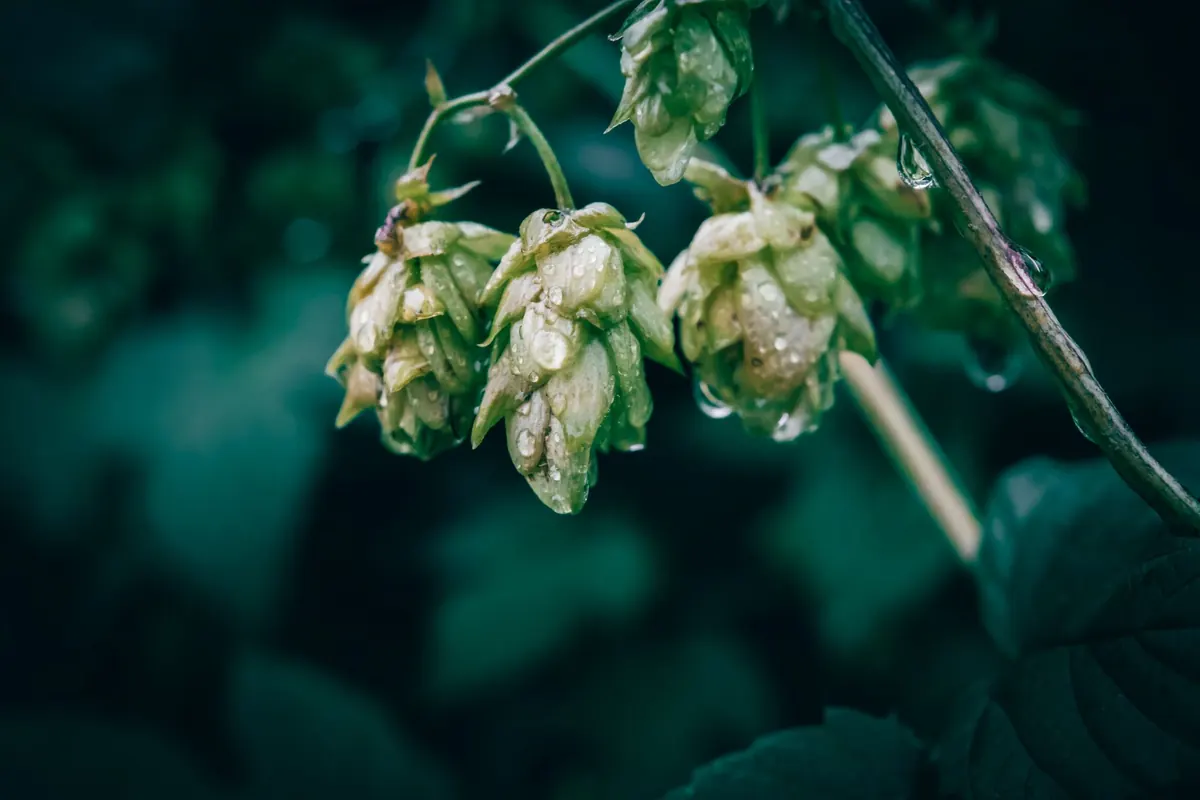
- Citrus and tropical. Grapefruit, orange zest, mango, passionfruit. The signature of modern American and New Zealand hops.
- Pine, resin, dank. Simcoe, Chinook and Columbus territory. Can also show as blackcurrant leaf, sometimes called catty.
- Floral, herbal, spicy. Noble hops: hay, chamomile, black pepper, a faint lavender edge. Common in pilsners and saisons.
- Banana and clove. Wheat beer yeast. Banana comes from isoamyl acetate, clove from a phenolic compound. Fermentation temperature decides the balance.
- Stone fruit and pepper. Saison and Belgian yeast. Peach, apricot, white pepper, and a dry, snappy finish.
- Orchard fruit, rose, honey. English ale yeast. Pear drop, red apple, a soft floral note that sits close to the malt.
- Butterscotch. That's diacetyl. A whisper is stylistic in a few English ales; a slick, buttery mouthfeel in a pale ale is a flaw.
- Green apple, raw pumpkin, sherry. Acetaldehyde. Often a sign the beer left the yeast too early, or that it's been sitting a while.
- Cooked corn, tomato, creamed vegetable. DMS. A trace is normal in pale lagers; anything forward is distracting.
Sip, swallow, then breathe out slowly through your nose. Retronasal aroma — the flavor that travels up the back of your throat — carries the malt and yeast notes that never reach the front of your nose.
When Something Tastes Wrong
Off-flavors are the fastest way to learn what "clean" means. If you hit one of these, name it and move on — don't let it ruin the beer.
- Wet cardboard, paper, stale crackers: oxidation. The beer has been exposed to oxygen, usually in packaging or a keg that's been open too long.
- Skunk, burnt rubber: lightstruck. Green bottles and clear glass let UV light break down hop compounds.
- Band-aid, medicinal, plastic: a phenolic edge from wild yeast or chlorine in brewing water.
- Sulfur, boiled eggs: common in young lagers. It usually fades with a little time in the glass.
- Harsh, grainy, tea-like astringency: often from sparging too hot or steeping roasted grains too long.
Note that some of these are style-dependent. A farmhouse ale with a little funk is doing its job; the same character in a helles is not.
Take Notes You'll Actually Reuse
Fancy scoresheets put people off, so keep it to four lines: the beer, the aroma in three words, the flavor in three words, and one sentence on whether you'd drink it again. That's enough to compare two IPAs a month apart and remember why you preferred one.
A few habits make the notes worth keeping. Write while you drink, not after. Use words you'd use in conversation rather than borrowed tasting-room language. Record the date, the batch or best-before code if there is one, and how long the beer sat in your glass before it opened up — many beers shift noticeably as they warm. And be honest about liking something you can't describe yet; the vocabulary catches up faster than you'd expect.
A Routine for the Next Pint You Pour
Pour it, look at it, smell it twice. Name one malt note, one hop note and one yeast note out loud, even if you're alone. Then check for diacetyl, acetaldehyde and DMS. Finish the glass slowly and see which impression lingers. Do that four or five times with different styles and the checklist stops being a checklist — you'll just taste this way. Keep the list nearby anyway, because the beer that finally clicks is usually the one you weren't expecting.
Photo: Gotta Be Worth It / Pexels